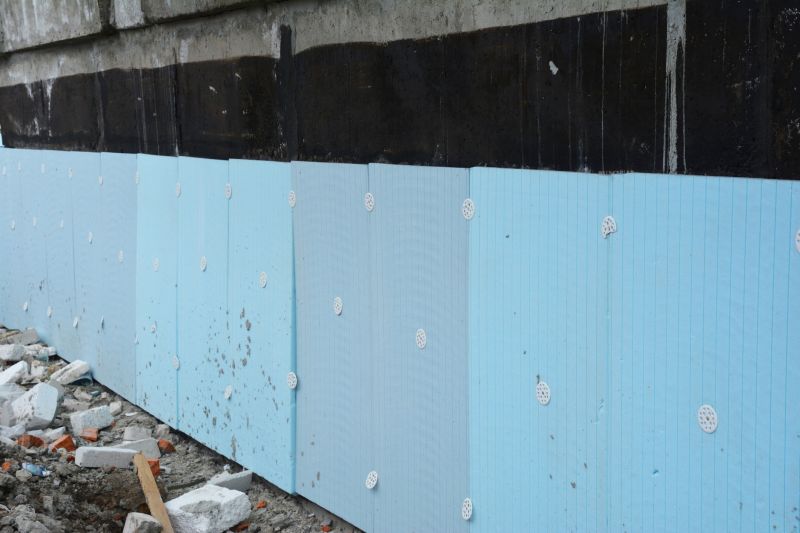
Rigid Insulation Installation in Austin, TX
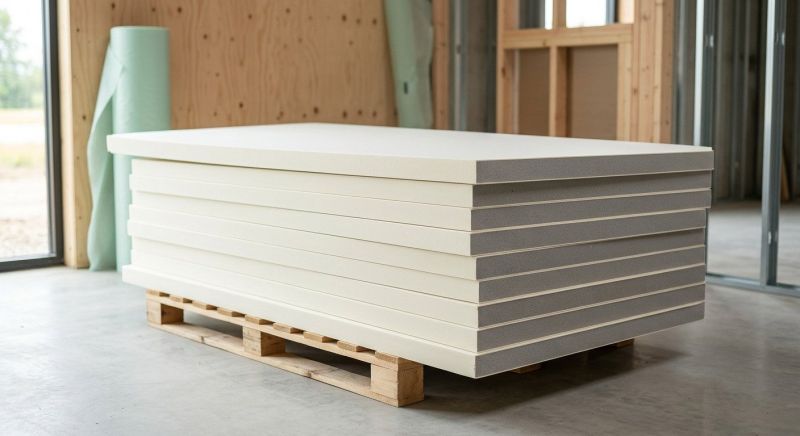
Rigid insulation installation involves adding high-performance insulation materials to improve a property's thermal efficiency. This service is commonly requested for projects such as insulating walls, attics, basements, or exterior surfaces to help maintain consistent indoor temperatures and reduce energy costs. Property owners typically want to understand the types of rigid insulation available, the best placement for their specific building, and how the installation can enhance comfort and energy savings.
Before requesting rigid insulation installation, it is helpful for homeowners to consider the existing insulation levels, the climate conditions, and the overall design of their property. Understanding the different materials-such as foam board or polyisocyanurate-and their suitability for various applications can influence the effectiveness of the insulation. Consulting with a professional can provide guidance on the most appropriate options to meet specific project goals and ensure proper installation for long-term performance.
Many property owners in Austin, TX look into Rigid Insulation Installation for repairs, replacements, upgrades, and appearance-related improvements.
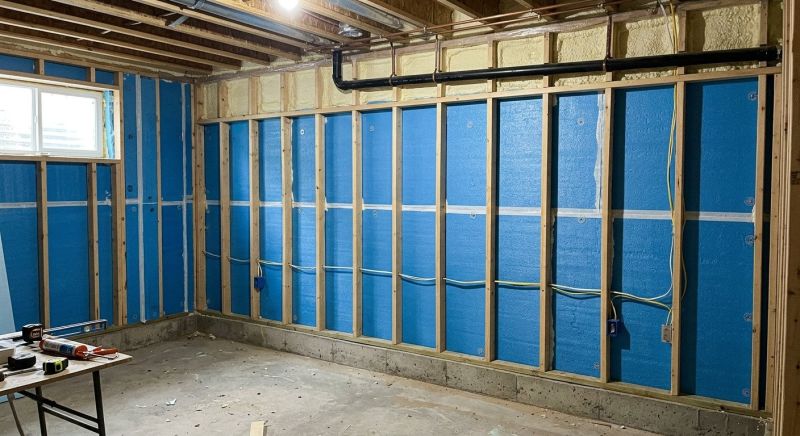
Benefits Of Rigid Insulation
It helps improve energy efficiency and reduce heating and cooling costs for homes and commercial buildings in austin.
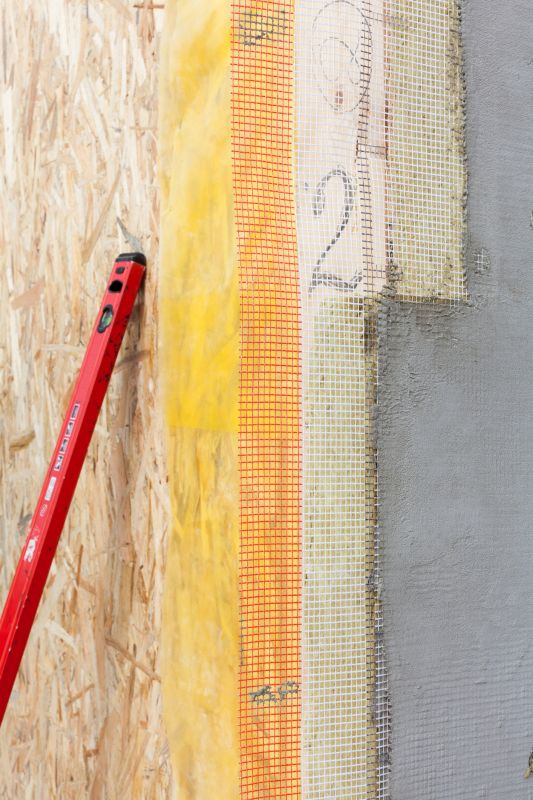
Common Installation Projects
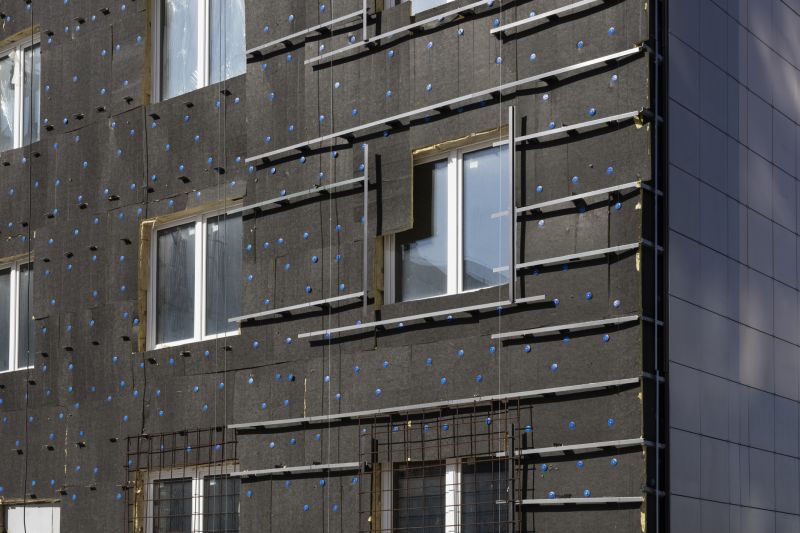
Rigid insulation is often used in basement walls, roofs, and exterior facades to enhance thermal performance.
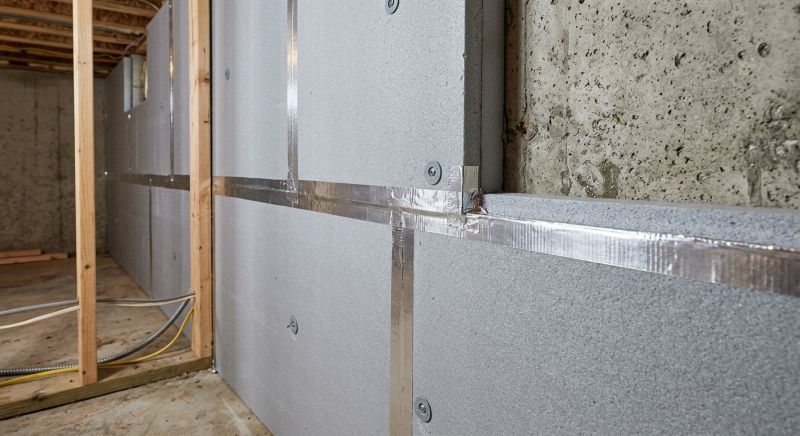
Choosing The Right Rigid Insulation
Consider factors like r-value, material type, and compatibility with existing building components for optimal results in austin properties.
Rigid Insulation Installation in Austin, TX

Rigid insulation installation involves adding high-performance insulation materials to improve a property's thermal efficiency. This service is commonly requested for projects such as insulating walls, attics, basements, or exterior surfaces to help maintain consistent indoor temperatures and reduce energy costs. Property owners typically want to understand the types of rigid insulation available, the best placement for their specific building, and how the installation can enhance comfort and energy savings.
Before requesting rigid insulation installation, it is helpful for homeowners to consider the existing insulation levels, the climate conditions, and the overall design of their property. Understanding the different materials-such as foam board or polyisocyanurate-and their suitability for various applications can influence the effectiveness of the insulation. Consulting with a professional can provide guidance on the most appropriate options to meet specific project goals and ensure proper installation for long-term performance.
Many property owners in Austin, TX look into Rigid Insulation Installation for repairs, replacements, upgrades, and appearance-related improvements.
Common Rigid Insulation Installation Jobs
Commercial building insulation - Rigid insulation helps improve energy efficiency in commercial properties.
Basement insulation projects - Installing rigid insulation in basements reduces heat loss and prevents moisture issues.
Attic insulation upgrades - Rigid insulation can be added to attics to enhance thermal performance.
Exterior wall insulation - Applying rigid insulation to exterior walls increases overall building comfort.
Foundation insulation - Rigid insulation installed along foundations helps maintain consistent indoor temperatures.
Renovation and retrofit work - Rigid insulation is used during upgrades to improve existing building insulation.

Rigid Insulation Installation Questions
What is rigid insulation used for? Rigid insulation helps improve energy efficiency by providing a continuous thermal barrier in walls, roofs, and foundations.
Which projects typically require rigid insulation installation? It is commonly used in basement walls, attic spaces, exterior wall sheathing, and commercial building envelopes.
What are the benefits of installing rigid insulation? It enhances insulation performance, reduces energy costs, and adds structural stability to building components.
How does rigid insulation differ from other insulation types? Rigid insulation is denser and provides higher R-values per inch, offering better thermal resistance in limited spaces.
Request Rigid Insulation Installation in Austin, TX
Use the quote form on this page to share the basics of your project and request more information for the type of work you need.